Why buy the cow when you can get the milk for free?”
My mom echoes these words, hoping its markings will make a permanent indentation on my feminist psyche. But as a woman who has crossed the 40-year-old dash line, I’ve been privy to the shame game for a while now.
The whole “getting the milk for free” philosophy has been used to shame women for centuries. Whether you agree or disagree with this perspective isn’t the point. It’s the implication that we, as women, should base our choices on a need to belong or be possessed rather than on our true desires.
Sex is just one of the many ways society uses to shame women. There’s also mom guilt, the stigma attached to being a single woman of a certain age, being too ambitious, or not being busy enough. The list goes on and on.
Some people use shame as a defense mechanism, while others use it to maintain order in their narrow-minded world. And then there is the most harmful use of shame: when we use it against ourselves.
So, what is shame, and how do we recognize it when it shows up?
Author and shame expert Brené Brown defines shame as the intensely painful feeling of believing we are flawed and, therefore, unworthy of acceptance. This can lead to destructive patterns such as addiction, eating disorders, and toxic relationships.
Simply put, it’s that voice in your head that says you don’t measure up.
The thing about shame is that it rarely announces itself. Unlike its more publicized counterparts, anger and depression, shame dons a more subtle disguise, often showing up as perfectionism and its partner in crime, procrastination.
Due to persistent cultural conditioning, we, as women, tend to set unrealistic standards for ourselves based on others’ expectations. Suddenly, others’ ideas become our ideas, and when those ideas don’t coincide with the core of who we are, we feel bad about ourselves.
What results is a series of stop-and-go efforts toward achieving our goals because, deep down, we’re afraid of how others will perceive our work. Or, we exert so much effort into being perfect that we never get the opportunity to see if one of our seemingly crazy ideas will pan out.
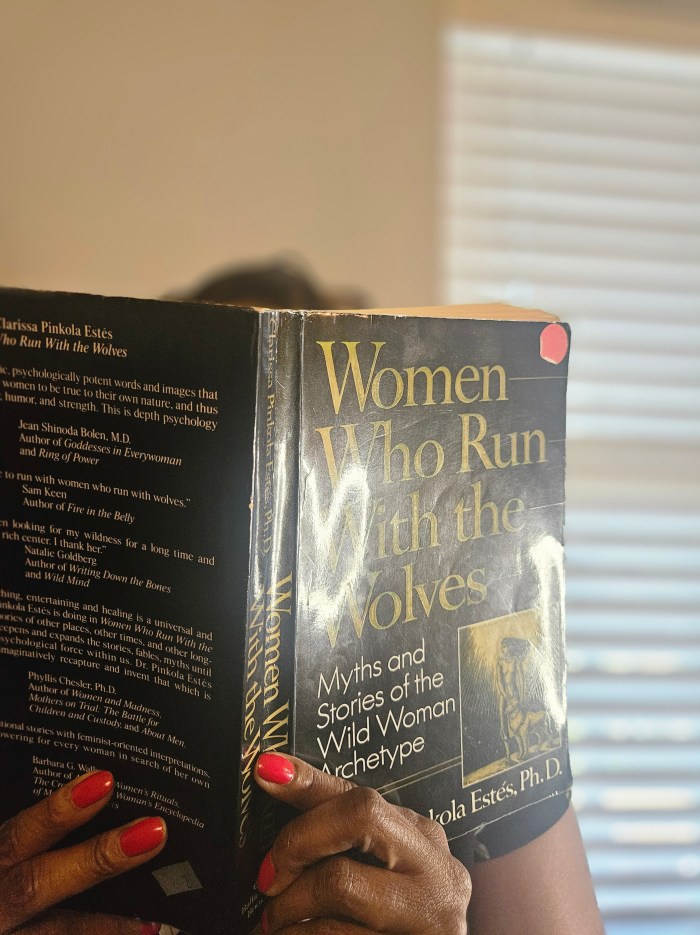
In the book “Untamed,” New York Times Bestselling author Glennon Doyle writes: “I was wild until I was tamed by shame. Until I started hiding and numbing my feelings for fear of being too much. Until I started deferring to others’ advice instead of trusting my own intuition.”
How to break free of shame
The surest way to get untangled from shame is to expose it and call it out for what it is: you trying to please someone else rather than yourself. Often, what stops us from creating our dream life is doing things the way they’ve always been done instead of the way we deem fit.
When I started powerlifting, family members and friends warned me about getting too big. In their minds, increasing the poundage meant I would magically transform into Hulk Hogan. However, for the first time in my life, looks were not my concern. The power I felt from squatting and deadlifting heavy weights created a mental shift unlike anything I’ve ever experienced. My big thighs had a purpose for once, and I began to accept my body like never before.
What if, instead of lamenting how big our thighs or stomachs are, we decided to put on our most form-fitting dress and strut down the street?
What if instead of talking about how we suck at writing, we wrote copious amounts of words anywhere and everywhere we had an audience?
What if, instead of talking about how we’re not good at selling ourselves, we threw traditional marketing measures out the window and promoted ourselves in a way that felt most authentic to us?
Once we confront our shame, it frees us up for other pursuits. When we spend countless hours obsessing over our bodies, our relationship status, or our bank accounts (or lack thereof), we prevent ourselves from showing up as our true selves. We can use that same energy toward achieving our professional and personal goals.
My challenge to you:
Think for a second. What do you fear most? Maybe it’s talking on camera, making sales calls, speaking up at work, or publishing a less-than-perfect blog post. I’m here to grant you the permission you’ve been seeking to do the thing that scares you — and do it every day for the next month. You’ll start to notice after a couple of weeks that the one thing you thought you couldn’t do has now become a habit.




 tashabovain.com